


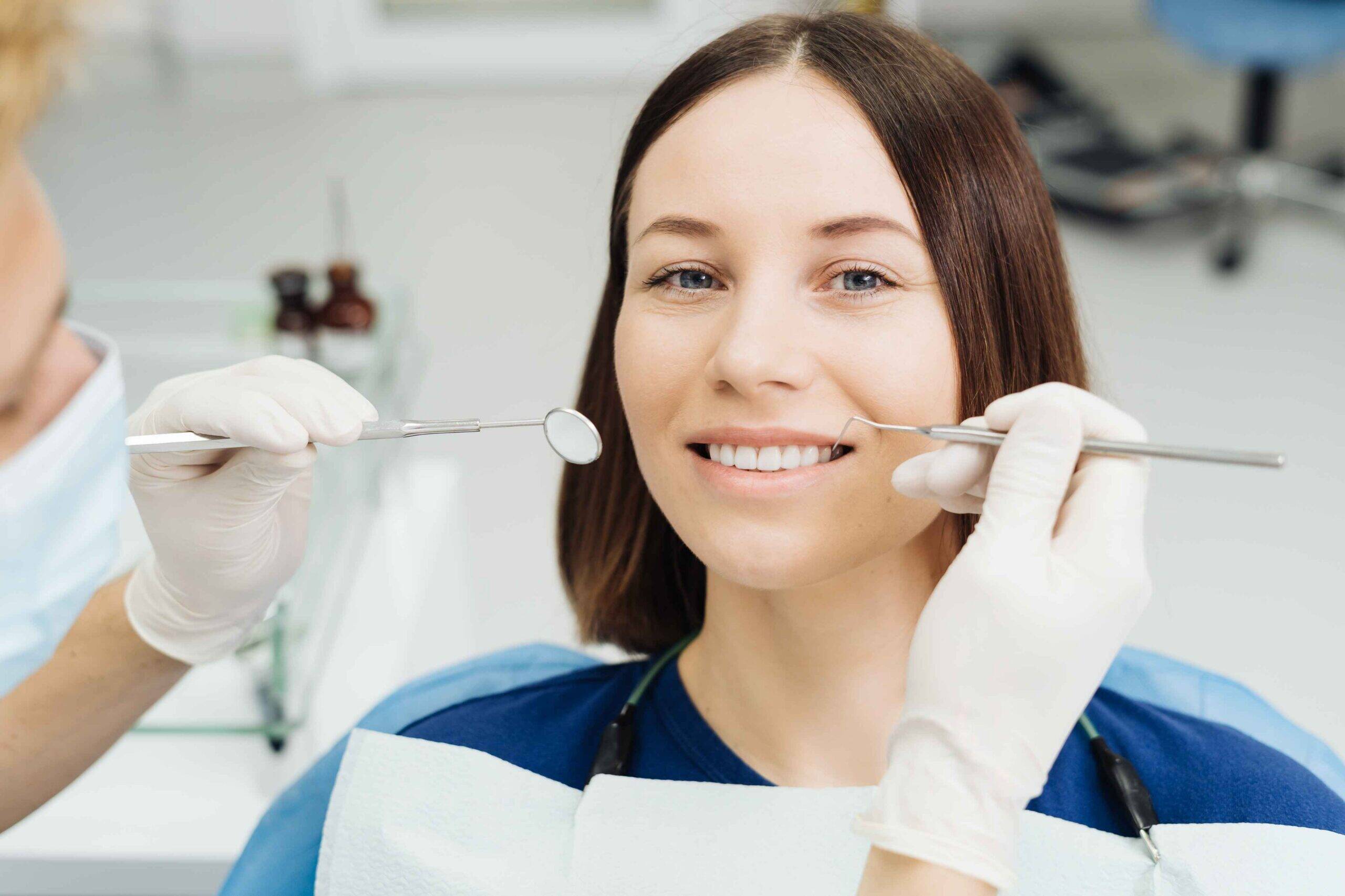
Dental Implants The Queensway, ON may help suitable patients replace missing teeth with restorations supported by the jaw. Before implants are recommended, a dentist should review gum health, bone support, bite pressure, medical history, healing ability, nearby teeth, and daily cleaning habits. Patients near The Queensway may also need to compare implants with bridges or dentures depending on comfort, function, oral health, and long-term maintenance needs.
A missing tooth can change more than the way a smile looks. Chewing may feel uneven; food may collect near the gap, and nearby teeth may slowly shift. For patients near The Queensway, ON, these changes can lead to questions about whether implants are the right way to replace missing teeth.
Dental implants The Queensway, ON may be discussed when a patient wants a stable replacement option, but implant planning should not begin with the space alone. The dentist needs to review the gums, bones, bites, medical history, cleaning habits, and surrounding teeth. A careful consultation can help patients understand whether implants may fit their oral health or whether a bridge, denture, or another option may be more suitable.
A Missing Tooth Can Affect Chewing and Tooth Position
Teeth help guide the bite and hold one another in place. When a tooth is missing, the nearby teeth may lean toward the empty space.
The tooth above or below the gap may also move because it no longer has a chewing partner. These changes can make cleaning harder and may place extra force on other teeth.
Replacing a tooth may help restore balance, but the full mouth should be evaluated before choosing a treatment.
An Implant Supports the Replacement Restoration
A dental implant is placed in the jaw and supports a visible restoration. That restoration may be a crown, bridge, or denture attachment depending on how many teeth are missing.
The implant is not the whole replacement tooth by itself. It is the support beneath the gumline.
The final restoration must be shaped to fit the bite, allow daily cleaning, and work with nearby teeth.
Bone Support Must Be Checked
Implants need enough healthy bones for support. After tooth loss, bones in the area may shrink or change shape.
Past infection, trauma, gum disease, or long-term missing teeth may also affect bone levels. The dentist may recommend X-rays or other imaging to review the area beneath the gums.
Some patients may have enough bones for implant planning. Others may need additional care or a different replacement option.
Gum Health Can Affect Timing
Healthy gums help protect the bone around teeth and implants. Bleeding, swelling, deep pockets, or active periodontal disease may need treatment before implants are considered.
An implant cannot get a cavity, but plaque can inflame the surrounding tissue. If inflammation continues, bone support may be affected.
A tooth replacement consultation with North Queen Dental may include gum measurements and home care review before treatment options are explained.
Health History Helps Guide Suitability
Implant treatment depends on healing. Medical conditions, medications, and habits may affect how the gums and bone respond.
Patients should share information about diabetes, smoking, blood thinners, osteoporosis medications, immune concerns, heart conditions, cancer treatment, allergies, and past surgical healing.
Grinding, clenching, dry mouth, and gum disease history should also be discussed because they may affect timing and maintenance.
Bite Pressure Should Not Be Ignored
A replacement tooth must handle daily chewing. If a patient grinds or clenches, extra pressure may affect natural teeth and implant-supported restorations.
The dentist may look for worn enamel, chipped teeth, cracked fillings, sore jaw muscles, or uneven bite contacts.
A good replacement plan should consider appearance, comfort, and function together.
Nearby Teeth Can Change the Recommendation
The teeth beside a missing space may be healthy, filled, crowned, tilted, loose, or affected by decay. Their condition can influence whether an implant, bridge, denture, or staged plan is discussed.
If nearby teeth are healthy, an implant may avoid using them as bridge supports in selected cases.
If those teeth already need crowns, another restorative plan may be considered. The right choice depends on the whole area.
Urgent Tooth Problems May Come First
An emergency dentist The Queensway, ON may be needed when a tooth has severe pain, swelling, trauma, or infection signs.
If the tooth cannot be restored, extraction and replacement options may be discussed after the urgent concern is controlled. Implant timing depends on healing, infection status, bone support, and gum condition.
Emergency treatment and implant planning are connected only after the diagnosis is clear.
Access Questions Should Follow the Clinical Exam
A patient searching for a CDCP dentist in The Queensway, ON may want to understand oral health needs before treatment decisions are made.
The dentist still needs to examine the mouth first. A missing tooth, broken tooth, gum problem, or infection must be diagnosed before care options can be explained.
Coverage and eligibility discussions should be connected to clinical findings, not assumptions about treatment.
Alignment Goals May Affect Replacement Timing
Someone considering Invisalign Alderwood, ON may also have missing teeth or bite changes that influence planning.
Natural teeth can move with aligners, but implants do not move the same way because they are fixed in bone. If tooth movement and tooth replacement are both goals, the sequence matters.
The dentist may need to plan alignment before final implant restoration in selected cases.
Dentures May Be Another Replacement Option
Patients asking about dentures in Alderwood, ON may be missing several teeth or looking for a removable replacement option.
Dentures, bridges, and implants all work differently. Dentures can replace multiple teeth and are taken out for cleaning. Implants may support individual crowns, bridges, or denture designs.
The best option depends on the patient’s gums, bone, comfort, function, cleaning ability, and goals.
Urgent Symptoms Can Change the Order of Care
An emergency dentist in Alderwood, ON may be needed if pain, swelling, trauma, bleeding, or infection signs appear before replacement planning begins.
A painful or infected tooth may need diagnosis and treatment before replacement options are discussed. If swelling affects breathing or swallowing, emergency medical care is needed first.
A healthy foundation makes future replacement planning safer and clearer.
What to Expect During an Implant Consultation
Before the visit, patients should be ready to discuss the missing tooth, chewing comfort, appearance goals, health history, medications, smoking, grinding, dry mouth, and cleaning habits.
During the appointment, the dentist may examine teeth, gums, bites, oral tissues, and the missing tooth area. X-rays or other imaging may be recommended to check bone and nearby structures.
After the evaluation, patients should understand whether implants appear suitable and whether another option may fit better.
Treatment Often Happens in Stages
Implant care may include consultation, imaging, gum care, extraction if needed, healing time, implant placement, restoration design, and maintenance visits.
Not every patient needs every step. Timing depends on infection, bone condition, gum stability, health history, and healing response.
A staged plan helps patients understand why certain steps need to happen before others.
Daily Cleaning Matters After Treatment
Implants need daily cleaning and regular dental monitoring. Plaque can collect around implant crowns, bridges, or denture attachments.
Patients may need floss threaders, small brushes, water flossers, or other tools depending on the restoration design.
Bleeding, swelling, soreness, looseness, or bite changes around an implant should be checked.
Possible Benefits for Suitable Patients
Implants may help selected patients replace missing teeth, support chewing, fill visible spaces, improve bite balance, and support crowns, bridges, or dentures.
They may also reduce reliance on nearby teeth in certain cases. Benefits depend on diagnosis, bone support, gum stability, healing, restoration design, and maintenance.
A careful plan helps patients understand both the possible benefits and responsibilities.
Local Patient Review
“I thought replacing a missing tooth was only about the gap. The visit helped explain why bone, gums, bite, and cleaning habits all needed to be reviewed first.”
Replacement Decisions Should Start with Stability
Implants may be helpful when gums, bone, bite, health history, and cleaning habits support treatment. Patients near The Queensway can visit North Queen Dental to review missing tooth options and understand which next step may fit their oral health.
Frequently Asked Questions
What happens during a consultation?
The dentist checks the space, nearby teeth, gums, bite, bone support, health history, and cleaning habits before explaining options.
Is everyone able to get implants?
No. Suitability depends on bone support, gum health, healing ability, medical history, bite forces, and oral hygiene.
Can one missing tooth be replaced?
Yes, one missing tooth may have several replacement options depending on the condition of the surrounding area.
Are bridges still used?
Yes. A bridge may be recommended when nearby teeth or the overall treatment plan make it a better fit.
Do replacement teeth need cleaning?
Yes. All replacement options need daily cleaning and regular dental visits to monitor the surrounding tissues.
Can a damaged tooth be replaced right away?
Not always. Infection, bone condition, gum health, and healing may affect timing.
Can aligners be planned for tooth replacement?
Sometimes. The order depends on tooth position, bite, missing spaces, and final restoration plans.
How are options compared?
The dentist may compare support, cleaning needs, comfort, function, treatment steps, and maintenance.