
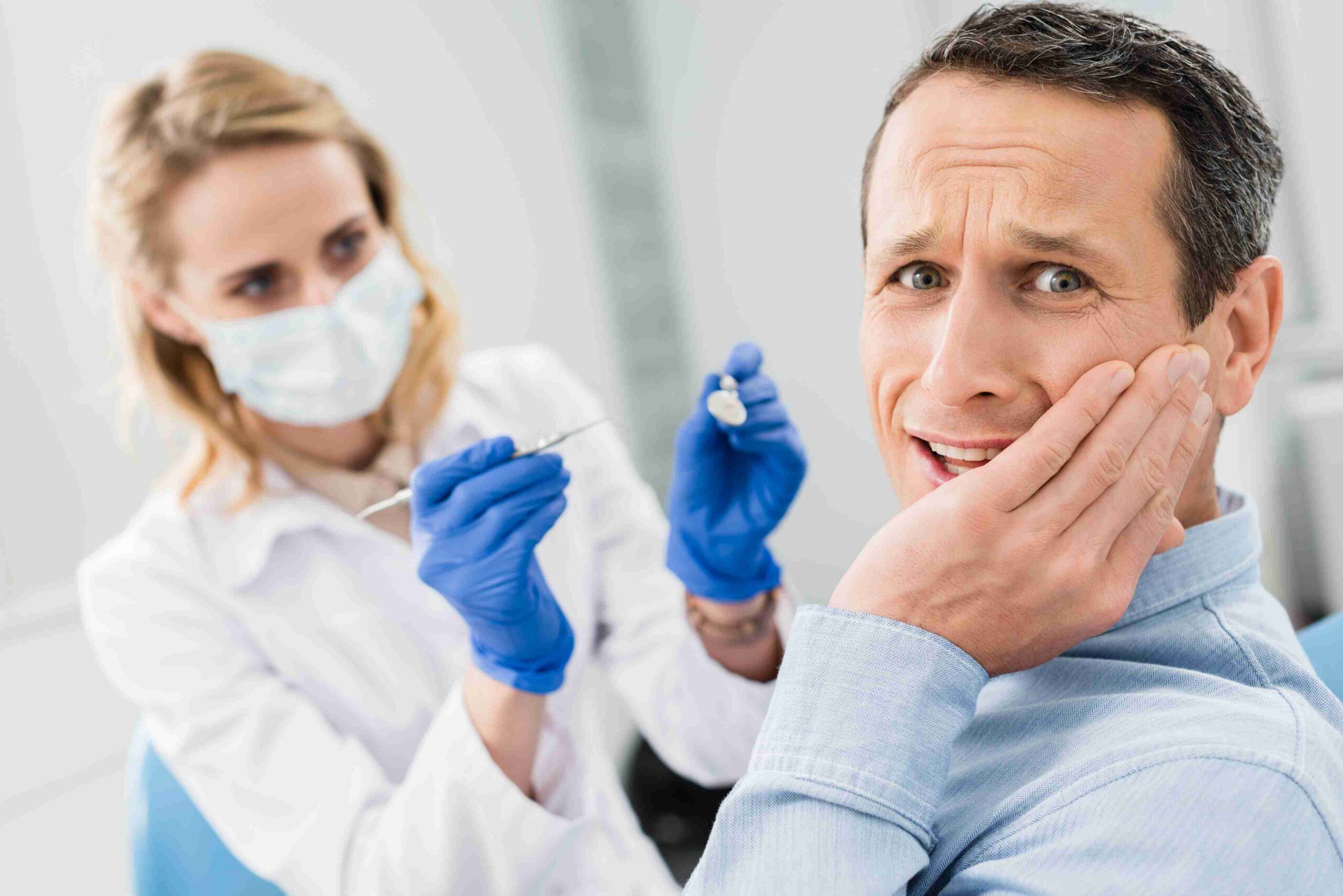
An emergency dentist The Queensway, ON may evaluate severe tooth pain, swelling, broken teeth, knocked-out teeth, lost fillings, bleeding, trauma, fever, or signs of infection. Patients near The Queensway should seek prompt dental care when symptoms are intense, spreading, or linked to injury. If swelling affects breathing or swallowing, emergency medical care is needed right away. A dentist can examine the teeth, gums, bites, and surrounding tissues before recommending treatment.
Dental symptoms can change quickly. A tooth may feel sensitive in the morning, then become painful enough to affect eating later in the day. A crown may loosen during a meal. Swelling may start near the gums and spread toward the cheek. For patients near The Queensway, ON, the difficult part is often deciding whether a dental concern can wait or should be checked promptly.
An emergency dentist The Queensway, ON may help when severe pain, swelling, trauma, bleeding, broken teeth, or infection signs need evaluation. Urgent dental care starts with finding the cause. The dentist may need to check the tooth, gums, bite, old dental work, and surrounding tissues before recommending treatment. Some concerns may be stabilized first, while others may need follow-up care after the urgent problem is controlled.
Pain That Changes Your Routine Needs Attention
Tooth pain may feel sharp, dull, throbbing, or pressure-like. It may appear when chewing, drinking something cold, lying down, or touching the tooth.
Pain that affects sleep, meals, work, or daily focus should be checked. It may be linked to deep decay, a cracked tooth, nerve inflammation, gum infection, bite trauma, or an abscess.
Temporary relief does not mean the problem has been solved. A dental exam helps identify the source and the safest next step.
Swelling Can Be a Warning Sign
Swelling around the gums, jaw, cheek, or face may suggest infection. It may happen with fever, tenderness, bad taste, pus, or trouble opening the mouth.
Dental infections can spread beyond the tooth. If swelling affects breathing or swallowing, emergency medical care should come first.
Even if swelling seems mild, it should be evaluated. The source of infection often needs dental treatment, not only short-term symptom control.
Broken Teeth Should Be Checked Promptly
A tooth can break because of trauma, decay, grinding, or a large old filling that has weakened the remaining structure. Some breaks hurt right away. Others only feel rough or sharp.
Chewing on a broken tooth can make the damage worse. Patients should avoid the affected side and save any tooth pieces when possible.
The dentist can check whether the tooth may be restored or whether another treatment path is needed.
Knocked-Out Teeth Are Time-Sensitive
A knocked-out adult tooth needs quick action. It should be held by the crown, not the root. If dirty, it may be gently rinsed without scrubbing.
If possible, the tooth can be placed back in the socket without force. If not, it should be kept moist in milk or a tooth preservation solution.
A baby tooth should not be placed back into the socket. A child still needs dental evaluation to check nearby teeth, gums, and developing adult teeth.
Lost Fillings and Crowns Can Leave Teeth Exposed
A lost filling or crown may expose the tooth to food, bacteria, and temperature changes. The tooth may feel sensitive, weak, or rough to the tongue.
Patients should bring a lost crown to the appointment if they have it. It may or may not be reusable depending on the condition of the tooth and crown.
A loose or missing restoration should be checked, especially if chewing becomes uncomfortable or the tooth feels sharp.
What Happens During an Urgent Dental Visit
During an urgent visit with North Queen Dental, the dental team may ask when symptoms start, what triggers pain, whether swelling or fever is present, and whether trauma occurred.
The dentist may examine the teeth, gums, bites, jaws, and surrounding tissues. X-rays may be recommended to check roots, bone, decay, infection, fractures, or changes near old dental work.
Treatment depends on the diagnosis. Some concerns can be treated during the visit, while others may need staged care.
Urgent Care May Lead to Replacement Planning Later
Some dental emergencies involve teeth that are too damaged to restore predictably. If a tooth cannot be saved, extraction and replacement options may be discussed after the urgent concern is managed.
Patients asking about dental implants The Queensway, ON may need a separate evaluation after pain, infection, or trauma has been addressed. Implant planning depends on gum health, bone support, medical history, bite forces, and healing.
Emergency care focuses first on safety, diagnosis, and symptom control. Tooth replacement planning comes after the immediate problem is understood.
Access Questions Can Be Discussed After Diagnosis
A patient searching for a CDCP dentist in The Queensway, ON may also have questions about how needed dental care is identified and discussed.
The clinical evaluation still comes first. The dentist needs to know whether the concern involves infection, fracture, decay, gum disease, or injury before explaining treatment options.
Coverage and eligibility details can vary, so patients should avoid guessing which service they need before the tooth has been examined.
Alderwood Patients May Have Similar Alignment Concerns
A patient considering Invisalign Alderwood, ON may be focused on tooth position, but tooth pain or trauma should be evaluated before cosmetic, or alignment treatment begins.
Pain, swelling, infection, or broken teeth can change the order of care. Moving teeth with untreated disease or active symptoms may not be appropriate.
Dental health should be stable before aligner planning starts.
Denture Concerns Can Also Become Urgent
Someone asking about dentures Alderwood, ON may have sore spots, loose fit, broken denture teeth, or trouble chewing.
Denture irritation should be checked if it causes open sores, bleeding, swelling, or difficulty eating. A poorly fitting appliance can stress the gums and affect comfort.
An urgent visit may focus on sore tissue, broken appliances, or whether remaining natural teeth need evaluation.
Nearby Emergency Symptoms Should Be Taken Seriously
An emergency dentist in Alderwood, ON may be needed for the same warning signs: severe pain, swelling, trauma, broken teeth, knocked-out teeth, uncontrolled bleeding, or infection signs.
If breathing or swallowing is affected, medical emergency care is the safest first step. Serious facial trauma may also need medical evaluation before dental treatment.
Prompt guidance helps patients avoid waiting when symptoms are spreading or intense.
What to Do Before the Appointment
Avoid chewing on the painful or broken side. Keep the area as clean as possible without forcing anything into the gums.
Save tooth pieces, lost crowns, or a knocked-out adult tooth when available. Use clean gauze with gentle pressure for bleeding. A cold compress outside the face may help with injury-related soreness, but it does not treat infection.
Patients should bring medication details, allergies, medical history, and a timeline of symptoms.
Treatment May Happen in Stages
A broken tooth may need smoothing, bonding, filling, a crown, root canal treatment, extraction, or temporary stabilization. Swelling may need dental treatment, drainage, medication when appropriate, or follow-up care.
A lost crown may be recemented in selected cases after the tooth is checked. A knocked-out tooth may need stabilization and monitoring.
Not every urgent problem is completed on a visit. The first goal is to safe diagnosis and direction.
Why Prompt Care Matters
Prompt evaluation may help patients find the source of pain, check for infection, protect broken tooth structure, evaluate trauma, stabilize lost restorations, and reduce the risk of worsening symptoms.
It may also help patients understand whether treatment can happen right away or whether follow-up is needed. Clear guidance can reduce uncertainty during a stressful moment.
The safest plan is based on what the dentist finds, not on guessing symptoms alone.
Local Patient Review
“I had swelling near my back tooth and was not sure what to do. The visit helped explain why the problem needed attention and what care might come next.”
Urgent Dental Symptoms Need Clear Direction
Pain, swelling, trauma, and broken teeth should be checked before they become harder to manage. Patients near Queensway can visit North Queen Dental for urgent dental assessment and guidance on the safest next step.
Frequently Asked Questions
What symptoms should be checked quickly?
Severe pain, swelling, fever, trauma, broken teeth, bleeding, or signs of infection should be evaluated promptly.
Can dental swelling become serious?
Yes. Swelling may be linked to infection, and breathing or swallowing trouble needs emergency medical care.
What should I do if my tooth breaks?
Avoid chewing on that side, save any pieces, keep the area clean, and seek dental evaluation.
Is a knocked-out adult tooth urgent?
Yes. Keep it moist, handle it with the crown, and seek dental care as quickly as possible.
Can a lost crown wait?
It should be checked, especially if the tooth is painful, sharp, sensitive, or difficult to chew on.
Will treatment be finished on the same day?
Sometimes, some urgent concerns need stabilization first and final treatment later.
Can pain medicine fix an infection?
It may reduce discomfort temporarily, but the dental source still needs evaluation and treatment.
What should I bring to an urgent visit?
Bring medication details, allergy information, medical history, broken pieces, lost crowns, and symptom notes.