


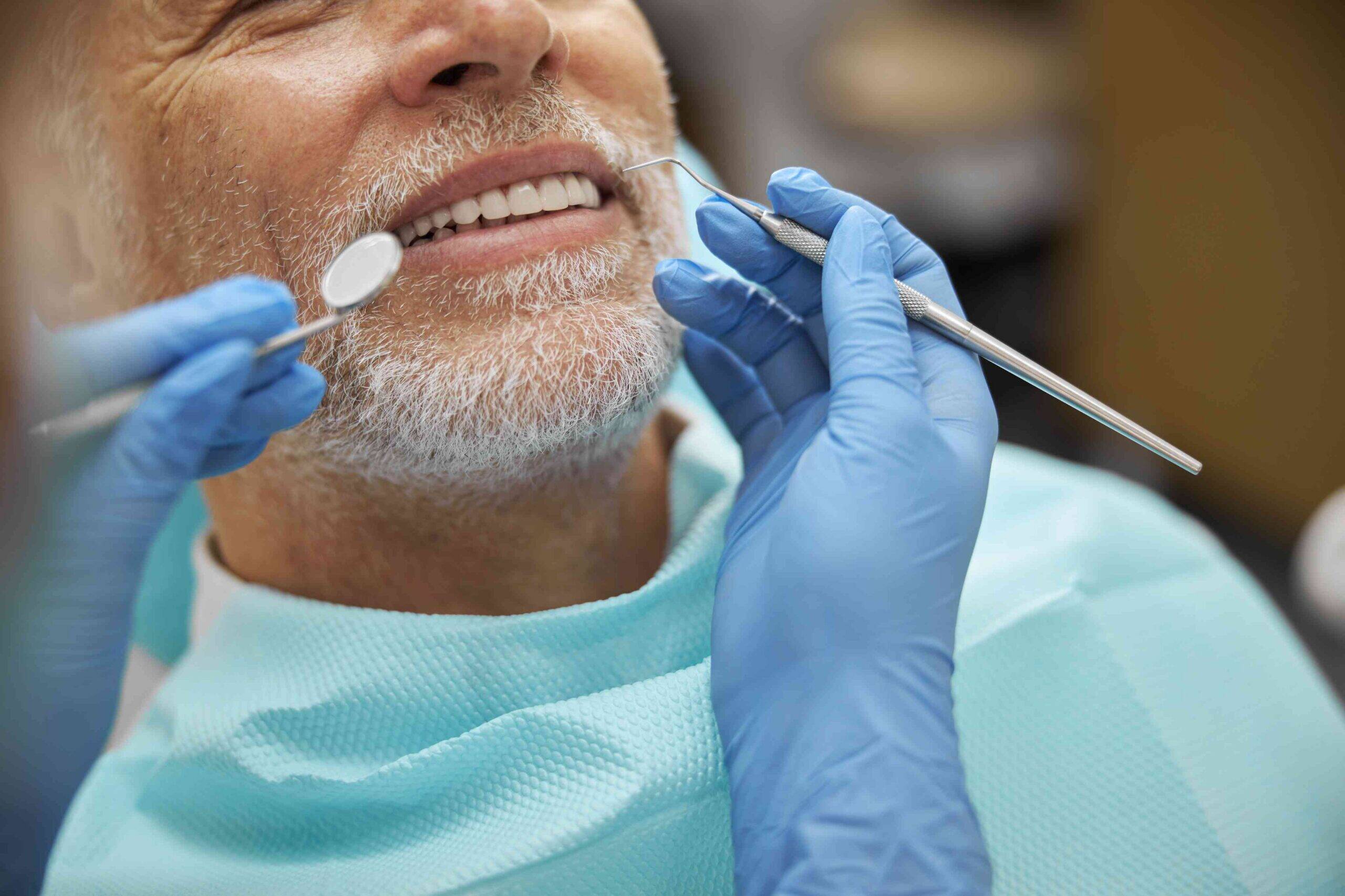
Invisalign Etobicoke, ON treatment may help suitable patients address selected crowding, spacing, and bite concerns with clear removable aligners. Before treatment begins, a dentist should review gum health, cavities, tooth wear, restorations, bite pressure, oral hygiene, and missing tooth areas. Patients in Etobicoke, The Queensway, and Alderwood may also need to discuss treatment steps, cost factors, and whether aligners are suitable for their specific tooth movement needs.
Opening
Crowded or uneven teeth can affect more than appearance. Food may catch between tight spaces; brushing may feel harder, and the bite may not feel balanced. Some patients in Etobicoke notice shifting after past orthodontic treatment. Others are exploring clear aligners for the first time and want to know whether their teeth are suitable.
Invisalign Etobicoke, ON may be discussed for selected crowding, spacing, and bite concerns. Still, aligner planning should begin with a full dental exam. The dentist needs to review gum health, cavities, restorations, tooth wear, bite pressure, oral hygiene, and any missing teeth before treatment is recommended. A thoughtful plan helps tooth movement support long-term oral health, not only cosmetic goals.
Clear Aligners Move Teeth in Stages
Clear aligners use a series of removable trays to guide selected tooth movements over time. Each tray is designed to make small changes.
This treatment may be discussed for crowding, spacing, rotations, or mild bite concerns in suitable cases. It is not simply a cosmetic cover for teeth.
The dentist must decide whether the teeth, gums, and bite are healthy enough before movement begins.
Cost Questions Need Personal Evaluation
Patients often ask how much does Invisalign cost before they know whether aligners are appropriate.
The answer can depend on treatment complexity, number of aligners, length of care, bite concerns, records, refinements, and retention needs. Since every mouth is different, a consultation is needed before a clear estimate can be discussed.
No cost question should replace a health and suitability review.
Treatment Planning Starts with Oral Health
A patient searching for Invisalign treatment Etobicoke on may want to know what the process includes.
The dentist may review gums, cavities, old fillings, crowns, bite pressure, tooth wear, and cleaning habits. X-rays, photos, scans, or impressions may be recommended before treatment planning.
If decay or gum inflammation is present, that care may need to happen first.
Crowding Can Make Cleaning Harder
Patients asking about Invisalign for crowded teeth may have tight areas where flossing feels difficult or food catches often.
Aligners may help select crowding concerns, but not every crowded case is suitable. The dentist must check how much movement is needed, how the bite fits, and whether gums and bone can support movement.
Crowding should be reviewed from both a health and appearance perspective.
Aligners Must Be Worn Consistently
Invisalign aligners Etobicoke may appeal to patients who want removable trays instead of fixed braces.
Removable treatment still requires commitment. Patients must wear trays as directed and remove them for eating, drinking anything other than water, brushing, and flossing.
Skipping wear time may prevent teeth from moving as planned.
Gum Health Comes First
Teeth should not be moved through inflamed or unstable gum tissue. Bleeding, swelling, deep pockets, recession, or active periodontal disease may need to be careful before aligners are recommended.
The dentist may check gum pocket depths, bleeding points, plaque patterns, and recession. These findings help determine whether cleaning or gum-focused care should happen first.
Healthy gums support safer movement and long-term retention.
Cost Discussions Should Include the Whole Plan
A second question about how much does Invisalign cost should include what is being compared.
Patients may need records, aligners, progress visits, attachments, refinements, retainers, or other dental care before treatment begins. Cost can also vary depending on how complex the tooth movement is.
A dentist can explain what applies after the mouth is evaluated.
Treatment Steps May Differ by Patient
A second discussion about Invisalign treatment Etobicoke on may involve whether teeth need small attachments, polishing between teeth, or refinements after the first set of trays.
Some patients may need limited movement. Others may need a more involved plan. The dentist may also discuss how bite changes will be checked over time.
Treatment should be based on the patient’s specific tooth position and oral health.
Crowded Teeth May Need More Than Aligners
A second mention of Invisalign for crowded teeth may come up when patients have tight spaces, rotated teeth, or overlapping front teeth.
In some cases, clear aligners may be helpful. In other cases, the dentist may discuss limitations, extra planning, or referrals depending on complexity.
The safest recommendation depends on gum support, bone levels, tooth shape, and bite.
Aligner Care Affects Teeth and Gums
A second use of Invisalign aligners of Etobicoke should include daily cleaning habits.
Aligners fit closely over teeth. If food, sugar, or plaque remains on the teeth before trays are placed back in, the risk of cavities or gum irritation may increase.
Good brushing, flossing, and tray cleaning are part of treatment success.
Cavities and Restorations Can Affect Timing
A cavity, cracked filling, or leaking restoration may need treatment before aligners begin. Trays fit closely over teeth, so dental work completed later may change the fit.
Crowns, bridges, bonding, implants, and fillings should be reviewed before records are taken. Some restorations may limit movement or require repair first.
A stable starting point can reduce interruptions.
Missing Teeth Can Change the Plan
Missing teeth can affect spacing, bite balance, and tooth movement. Natural teeth can move with aligners, but implants do not move because they are fixed in bone.
If a patient needs tooth replacement and alignment, the order matters. In some cases, tooth movement may be discussed before a final implant restoration.
A full-mouth plan helps treatments work together.
What to Expect During an Aligner Consultation
Before the appointment, patients should think about what bothers them the most. It may be crowding, spacing, bite comfort, tooth wear, old dental work, or food trapping.
During a visit with North Queen Dental, the dentist may examine teeth, gums, bites, restorations, oral tissues, and cleaning patterns. X-rays, photos, scans, or impressions may be recommended if treatment appears suitable.
After the evaluation, patients should understand whether aligners may be an option and whether other care should happen first.
During Treatment
Patients wear each set of trays as directed and attend progress checks. Attachments or small tooth adjustments may be recommended in selected cases.
The dentist may monitor fit, tooth movement, oral hygiene, gum response, and bite changes. If trays stop fitting well, the plan may need to review.
Consistent wear and follow-up help keep treatment on track.
After Treatment Retention Matters
After tooth movement is complete, retainers are usually recommended to help maintain the new position. Teeth can shift over time without retention.
Retainer instructions should be followed as directed. Gum health, bite forces, and grinding habits may also affect stability.
Aligner treatment does not end with the last tray.
Benefits of a Thoughtful Aligner Plan
A careful aligner plan may help suitable patients improve selected crowding, reduce spacing, support easier cleaning, improve bite contact in some cases, and prepare for future cosmetic or restorative care.
It may also help patients understand whether other treatments should happen before or after tooth movement. The right sequence supports both appearance and oral health.
The best plan is based on exam findings and realistic expectations.
Local Patient Review
“I wanted clear aligners but did not know my gums and old fillings needed to be checked first. The visit helped me understand the right order.”
Clear Aligner Planning Should Begin With Oral Health
Straightening teeth works best when gums, bite, restorations, cleaning habits, and treatment goals are reviewed together. Etobicoke patients can visit North Queen Dental to discuss clear aligner options and a safe order for care.
Frequently Asked Questions
How do clear aligners move teeth?
They use a series of removable trays that guide selected tooth movements in small stages over time.
Can aligners fix every bite problem?
No. Suitability depends on tooth position, bite, gum health, bone support, and how much movement is needed.
Do gums need to be healthy first?
Yes. Stable gums help support safer tooth movement and long-term results.
Can cavities delay treatment?
Yes. Active decay or damaged restorations may need care before trays are made or worn.
Are retainers needed afterward?
In many cases, retainers are recommended because teeth can shift after movement is complete.
What happens if trays are not worn enough?
The teeth may not move as planned, and the trays may stop fitting properly.
Can treatment help with cleaning?
It may in selected cases by improving tooth position, but daily brushing and flossing still matter.
What should I mention during the visit?
Mention sensitivity, bleeding, old dental work, grinding, missing teeth, bite discomfort, and smile goals.